Tuscany Wine Country Guide
Plan a Tuscany wine trip: the five key wine zones, the best villages and wineries to visit, when to go, what to eat, and
Plan a Tuscany wine trip: the five key wine zones, the best villages and wineries to visit, when to go, what to eat, and which bottles to bring home.
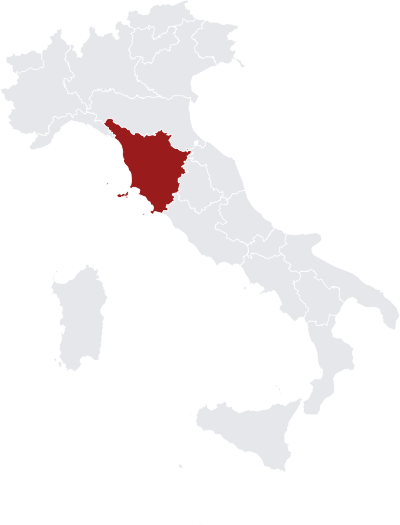
Tuscany may be the most famous wine region in the world. Cypress-lined roads link medieval hill towns, and family estates make wines that shaped wine around the world. This guide covers the main wine zones, the best villages to stay in, when to travel and what to buy.
For the region's denominations, producers and wine styles, start with our Tuscany wine region guide.
The Five Zones You Need to Know
Chianti Classico
This is the historic heart of Tuscan wine. It sits in the hills between Florence and Siena. Sangiovese has grown here since at least the 13th century. The Chianti Classico DOCG zone covers about 72,000 hectares, of which only about a tenth is vineyard. It has three tiers: Chianti Classico, Chianti Classico Riserva and, at the top, Gran Selezione.
Key villages are Greve in Chianti, Panzano, Radda, Gaiole and Castelnuovo Berardenga. Each has its own climate and soil. The two main soils are galestro (crumbly schist) and alberese (hard clay-limestone). They give Chianti Classico its firm structure and mineral edge.
Estates worth visiting:
- Antinori nel Chianti Classico: striking modern building. Book well ahead.
- Fontodi in Panzano: organic, and home of the benchmark Flaccianello della Pieve.
- Castello di Ama in Gaiole: modern art on the estate and very good Gran Selezione.
Tastings cost about $20–40 per person, and the fee is often waived if you buy wine. See our list of best Chianti Classico wines before you book.
Wine route tip: The SS222 "Chiantigiana" road is the classic drive from Florence to Siena. It runs through the core of the zone. Allow at least two full days.
Montalcino and Brunello
About 40 km (25 miles) south of Siena, the hill town of Montalcino looks out over pale clay hills and thick oak forest. This is home to Brunello di Montalcino DOCG, one of Italy's longest-lived and most collected reds. It is made only from Sangiovese Grosso, which locals call Brunello. By law, Brunello must age at least five years before release, and Riserva six.
Montalcino town is worth a slow afternoon. The 14th-century Fortezza has wide views and a wine bar where you can taste new releases by the glass.
The area splits roughly into north and south:
- North (around Montosoli and Castelgiocondo): more fragrant wines with higher acidity.
- South (near Sant'Angelo in Colle): fuller body and riper fruit.
Producers to look for:
- Biondi-Santi: the historic founding estate. Bottles from great vintages cost $200–600 or more.
- Canalicchio di Sopra: family-run and good value.
- Poggio di Sotto: biodynamic, with a light, delicate style.
On a budget, try Rosso di Montalcino DOC, Brunello's younger sibling. It starts at about $25 and is a good introduction.
See our best Brunello di Montalcino wines for vintage notes and buying tips.
Montepulciano
Don't confuse this wine with Montepulciano, the grape from Abruzzo. Nobile di Montepulciano DOCG is a Sangiovese-based red from the hills around the Renaissance town of Montepulciano, southeast of Siena. It is firm and earthy, and often cheaper than it should be next to Brunello.
The town is one of the most striking in Tuscany. It runs along a long ridge lined with Renaissance palaces. Wine cellars are carved straight into the tufa rock, and the main square is set around the Palazzo Comunale. Most big producers, such as Avignonesi, Poliziano and Boscarelli, offer cellar tours and tastings. Avignonesi's biodynamic estate is especially worth the trip.
Pair Nobile with pici, the local thick, hand-rolled spaghetti. It is usually served with wild boar ragù or a simple garlic and breadcrumb sauce.
Bolgheri and the Super Tuscans
Bolgheri is a strip of coast in the province of Livorno. In the 1970s and 1980s it changed Italian wine history. Producers here ignored the DOC rules and planted Cabernet Sauvignon, Merlot and Syrah next to Sangiovese. These "Super Tuscans" sat outside the official system, yet sold for world-class prices.
The big names are Sassicaia (the first, and still the benchmark), Ornellaia and Masseto. Sassicaia has its own appellation, Bolgheri Sassicaia DOC, which is unique in Italy. Ornellaia makes wines at several prices. The estate wine costs about $200, while the entry-level Serre di Bolgheri is about $30.
Bolgheri is easy to visit. The Viale dei Cipressi, an avenue of tall cypresses nearly five kilometers long, leads to the village. It is one of the most photographed roads in Tuscany. Most top estates need a booking in advance. Our best Super Tuscan wines guide covers labels at every price.
Maremma
Maremma is Tuscany's wild south. It is a coastal area of marshes and dense scrub (macchia), and its wines are getting more serious. The key denomination is Morellino di Scansano DOCG. This Sangiovese-based red is usually softer, fruitier and ready to drink sooner than inland Tuscan reds. Prices are friendly: good bottles cost $15–25.
Maremma also makes very good Vermentino and Ansonica whites from coastal vineyards. They are ideal with fresh seafood from the Tyrrhenian coast. Producers like Fattoria Le Pupille and Erik Banti are reliable across their range.
A Smaller DOCG Worth Your Attention: Carmignano
Just west of Florence, Carmignano DOCG is one of Tuscany's oldest and smallest appellations. Unusually, Cabernet Sauvignon has been allowed in the blend since the 16th century, long before the Super Tuscans. Tenuta di Capezzana is the leading producer. Its winery visit mixes wine, olive oil and Medici-era history.
When to Visit
April–May: mild weather, vines in flower and fewer crowds. A good time to tour estates before the harvest rush.
September–October: harvest season (vendemmia) and maybe the best time to go. It is still warm, the vineyards turn gold and red, and many estates hold harvest events. Book your stay well ahead.
November–March: quieter and cheaper. Some small wineries close or cut their hours. Enoteca Italiana in Siena and most town wine bars stay open all year.
Food Pairings to Seek Out
- Bistecca alla Fiorentina (T-bone grilled over oak) with Chianti Classico Riserva or Gran Selezione
- Ribollita (bread and vegetable stew) with young Chianti Classico or Morellino
- Pecorino di Pienza (aged sheep's milk cheese) with Brunello or Nobile
- Cinghiale (wild boar), found all over the region, with Riserva wines from any denomination
What to Buy
- Gran Selezione Chianti Classico from producers like Castello di Fonterutoli or Querciabella ($45–80)
- Single-vineyard Brunello from small estates like Il Marroneto or Stella di Campalto ($60–150)
- Morellino for everyday drinking ($18–25)
Airport duty-free rarely has the best bottles. Buy direct from estates or at specialist wine shops (enoteche). In Florence, try Enoteca Alessi or Enoteca Borghini. In Siena, try La Fortezza del Vino.
Explore More
- Tuscany Wine Region: full denomination and producer directory
- Best Tuscany Wines: our top picks across all styles
- Best Chianti Classico Wines: Gran Selezione and Riserva picks
- Best Brunello di Montalcino Wines: vintage guide and value picks
- Best Super Tuscan Wines: Bolgheri and beyond
- Sangiovese: the grape behind Tuscany's greatest wines
Sources
Production rules and official information from the consortia of the wines in this guide:
- Chianti Classico DOCG · chianticlassico.com
- Brunello di Montalcino DOCG · consorziobrunellodimontalcino.it
- Nobile di Montepulciano DOCG · consorziovinonobile.it
- Morellino di Scansano DOCG · consorziomorellino.it
- Carmignano DOCG · consorziovinicarmignano.it