Sardinia Wine Tour
Sardinia is one of Italy's best wine trips, with ancient grapes found nowhere else. This guide covers its regions, produ
Sardinia is one of Italy's best wine trips, with ancient grapes found nowhere else. This guide covers its regions, producers, routes and when to go.
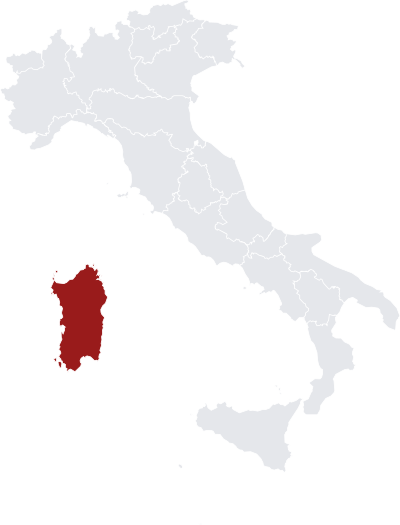
The island sits in the western Mediterranean, and its wines are unlike anything else in Italy. They range from the crisp, mineral Vermentino di Gallura DOCG to the dark, long-lived reds of Cannonau and Carignano del Sulcis. If you are planning a wine trip to the Italian islands, Sardinia deserves a place on the list, and some planning.
Why Sardinia Is a Serious Wine Destination
Sardinia has 17 DOCs and 1 DOCG, and it grows grapes found almost nowhere else. Its winemakers have mostly ignored international grapes. Instead they focus on local ones like Cannonau, Vernaccia di Oristano, Nuragus, Cagnulari and Monica. That rewards curious travelers who leave the tourist trail.
Sardinia is also one of the world's Blue Zones, where many people live past 100. A daily glass of Cannonau is often cited as part of the reason.
To see how Sardinia fits among Italy's island wines, read our guide to the best wines from Italian islands.
The Key Wine Regions of Sardinia
Knowing the island's wine map helps you plan your route. It splits roughly into four main wine zones, each with its own character.
Gallura (Northeast): The Kingdom of Vermentino
The granite hills of Gallura, in the northeast, make Sardinia's only DOCG wine: Vermentino di Gallura. The soil is crumbled granite. It drains fast, so vine roots go deep and the wines gain a strong mineral edge.
The Vermentino grape thrives here. It gives bright acidity and aromas of white peach, bitter almond and citrus blossom. Its slightly bitter finish makes it one of the most food-friendly whites in Italy.
Look for "Superiore" on the label. It means higher minimum alcohol and more concentration. Top Gallura producers include:
- Cantina del Vermentino Monti
- Capichera, whose single-vineyard Vigna 'Ngena is one of the island's benchmark whites
- Siddùra
Expect to pay €15–30 for good Gallura Vermentino, and €40–60 for single-vineyard bottles. See our full list in the best Vermentino wines guide.
Gallura is also the inland side of the Costa Smeralda. Combine winery visits with the coast around Santa Teresa Gallura and Palau.
Ogliastra and Nuoro (Central-East): Cannonau Country
Cannonau rules the rugged interior. It is genetically the same as Spain's Grenache, but many Sardinian producers believe it started on the island.
The best examples come from Nuoro province and Ogliastra. They are deep garnet, high in alcohol (often 14–15%), with dried cherry, leather, tobacco and the scent of wild Mediterranean scrub (macchia). In a well-made wine, the tannins are firm but not harsh.
The subzones of Jerzu, Oliena and Capo Ferrato each have their own style. Oliena's limestone and clay soils give especially elegant Cannonau. Jerzu, home of the historic Antichi Poderi di Jerzu co-op, leans richer and firmer. For specific bottles, see our best Cannonau wines guide.
Recommended producers: Giuseppe Sedilesu (his Mamuthone is a benchmark), Gostolai and Orgosa. Prices run from €12 for basic co-op bottles to €35 or more for single-vineyard wines.
Sulcis (Southwest): Carignano at Its Best
The Sulcis area and the island of Sant'Antioco, in the southwest, are home to Carignano del Sulcis DOC. It may be one of Italy's most underrated red wines.
The Carignano grape (Carignan in France) grows here as old, ungrafted bush vines in windy, sandy soils. Some vines are 80–100 years old. They give concentrated, dark wine with plum, licorice, dried herbs and a savory mineral finish, quite unlike French Carignan.
Cantina di Santadi is the best-known producer. Its Terre Brune, a Carignano-based blend aged in French oak barrels, is one of Sardinia's most famous wines abroad, at about €35–50. Mesa, now owned by the Santa Margherita group, makes the easy-drinking Buio and Buio Buio, worth finding at €15–25.
Oristano (West-Central): Vernaccia and Oxidative Tradition
Vernaccia di Oristano DOC is one of Italy's oldest and most unusual wine styles. It is not the Vernaccia of San Gimignano.
Here, Vernaccia is a white grape made in a deliberately oxidized style. The wine ages in old chestnut or oak barrels that are not topped up. A layer of yeast (flor) forms, much like in fino Sherry. The result is amber, nutty, complex and dry, a wine that needs your attention and rewards patience.
The Contini family estate in Cabras is the top producer. Its Antico Gregori, a blend topped up over several decades, is outstanding and can cost €40–60. These wines are superb with Sardinian bottarga (cured mullet roe), which is made just a short walk from the vineyards.
Wine Routes and How to Get Around
Sardinia has two wine routes (Strade del Vino) worth following:
- Strada del Vino Vermentino di Gallura: runs through the granite hills between Tempio Pausania and the coast, with signposted cellar doors and farm stays.
- Strada del Vino Carignano del Sulcis: covers the southwest corner, linking Santadi, Sant'Antioco and Calasetta.
You will need a car. Public transport between wine zones is limited, and many top producers are in the countryside. Good bases are Cagliari (for Sulcis day trips), Nuoro (for Cannonau country) and Olbia (for Gallura). No two wine regions are more than 2–3 hours apart by road.
For more on Sardinian wine and producers, see the Sardinia wine region guide.
Food Pairings with Sardinian Cuisine
Sardinian food and wine grew up together, so they pair easily. Some standout matches:
- Vermentino di Gallura with spaghetti alle arselle (clam pasta), grilled branzino or young Pecorino Sardo fresco
- Cannonau with porceddu (spit-roasted suckling pig), slow-cooked lamb with myrtle or aged Fiore Sardo cheese
- Carignano del Sulcis with slow-braised wild boar or malloreddus alla campidanese (saffron gnocchetti with sausage ragù)
- Vernaccia di Oristano as an aperitivo, or with bottarga di muggine (mullet roe), fried moeche or cured meats
When to Visit
September and October are the best months for a wine trip. Harvest is on (many estates take harvest volunteers), the summer crowds are gone, it is still warm, and cellar doors are fully staffed. October suits red wine areas like Cannonau country best. By then the harvest rush is over and producers have time to talk.
May and June are a second option, with mild weather, wildflowers in the macchia and lower prices. Avoid August if you can. It is peak tourist season, winemakers are busy getting ready for harvest, and coastal hotel prices jump.
For a list of the best bottles to look for before or during your trip, see the best Sardinia wines guide. It covers top producers across all the main zones.
Explore More
Sources
Production rules and official information from the consortia of the wines in this guide:
- Vermentino di Gallura DOCG · vermentinogallura.wine